Let The Scalp Be The Main Event
Wash day gets tiring when every part of the hair is treated with the same intensity. The scalp usually needs the most cleansing. The lengths often need patience, slip, and less drama. Starting with that difference can make the whole routine feel calmer.
Before shampoo, wet the hair thoroughly. Not a quick pass under water, but enough time for the roots and underneath sections to soften. Shampoo spreads better when the hair is actually wet, which means you can use less and scrub less.
Clean roots do not require rough hands. They require access.
Use Your Fingertips, Not Friction
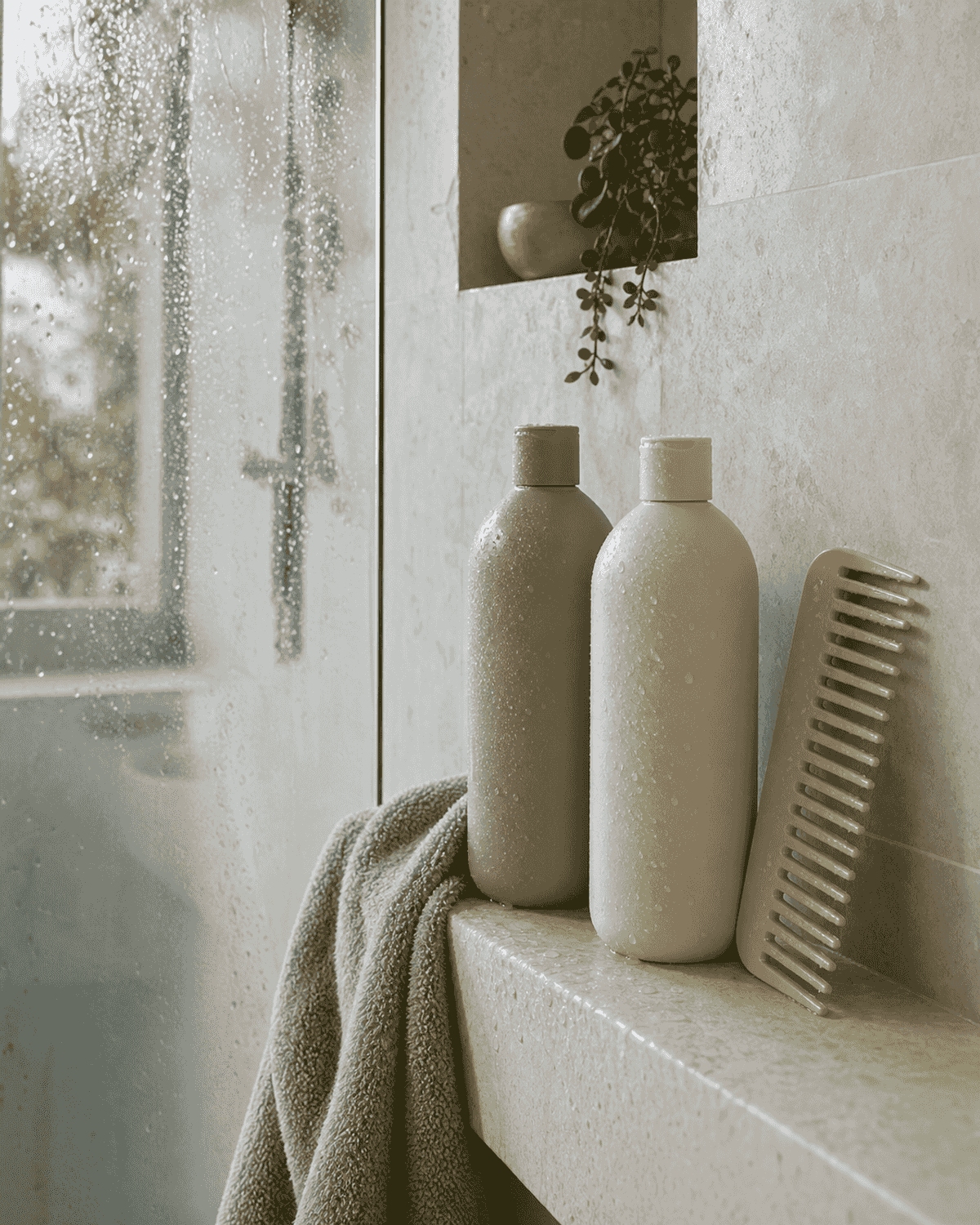
Apply shampoo at the scalp and work in small sections with fingertips. Think pressure, not scratching. The goal is to move oil, sweat, styling residue, and skin buildup without turning the roots into a knot.
If your hair is thick, dense, or curly, lift sections so the shampoo reaches the scalp instead of sitting on the top layer. If your hair is fine, keep the massage focused and avoid piling everything on top of the head.
Let the rinse carry shampoo through the lengths. Unless there is heavy product buildup, the ends rarely need their own scrubbing session.
Condition Where Hair Gets Oldest
Conditioner belongs where hair has lived the longest: mid-lengths and ends first. These areas have seen more heat, weather, brushing, collars, pillows, and time. Roots may need little or none, depending on texture and dryness.
Press water out before applying conditioner so it does not slide straight off. Detangle gently while there is slip, starting at the ends and moving upward. If a knot resists, add more water or conditioner rather than pulling harder.
Rinse according to what your hair likes. Some hair wants a clean rinse; some behaves better with a whisper of softness left behind.
Dry Without Undoing The Work
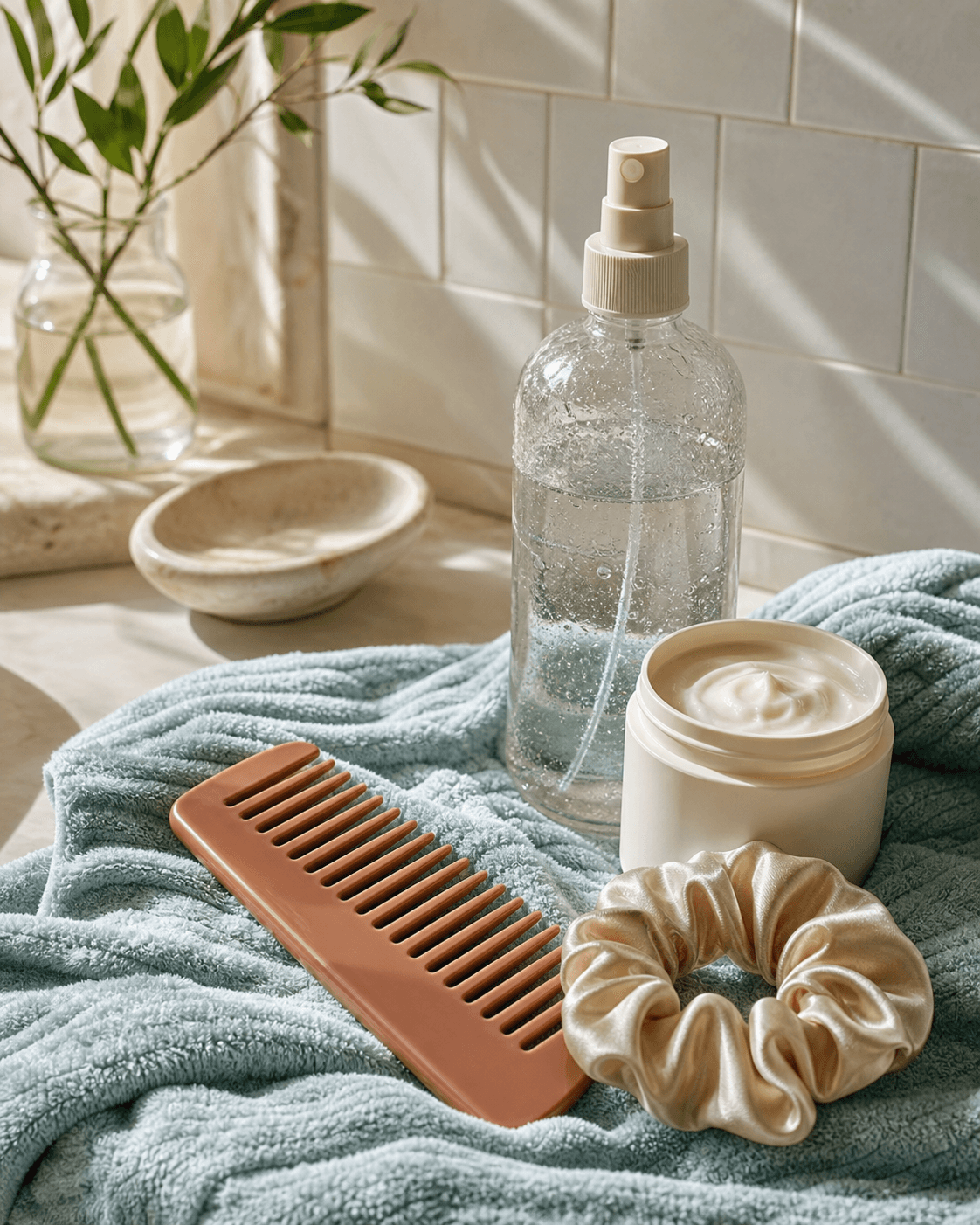
The towel stage can ruin a careful wash. Squeeze, press, and blot instead of rubbing. A microfiber towel or soft cotton shirt can reduce roughness, but technique matters more than the object.
Decide on your first styling step while the hair is still damp. Leave-in conditioner, light cream, gel, or nothing at all can work if it matches the result you want. Too many products can make clean hair feel busy before it is even dry.
Once the shape is set, touch it less. Hair often looks better when wash day ends before the mirror commentary begins.
Adjust The Frequency Without Guilt
Some scalps want frequent washing. Some lengths behave better with more space between washes. The useful rhythm is the one that keeps roots comfortable and hair manageable, not the one that sounds most virtuous.
If the scalp itches, smells oily, or feels coated, wash sooner. If the lengths feel dry and roots are still fine, refresh carefully and wait. A routine becomes easier when it responds to evidence instead of rules.
Wash day should leave hair cleaner and less burdened. If it leaves you and your hair exhausted, the routine is doing too much.